About Luke J. Anderson

I help people put words to what they can feel but cannot yet fully explain.

Once reality has language, we can see what is connected, identify the Linchpin influencing the situation, and build the next move around what is actually true.

That is the work I have kept finding myself called into—across businesses, leadership teams, personal decisions, stalled ideas, and work that refused to disappear.

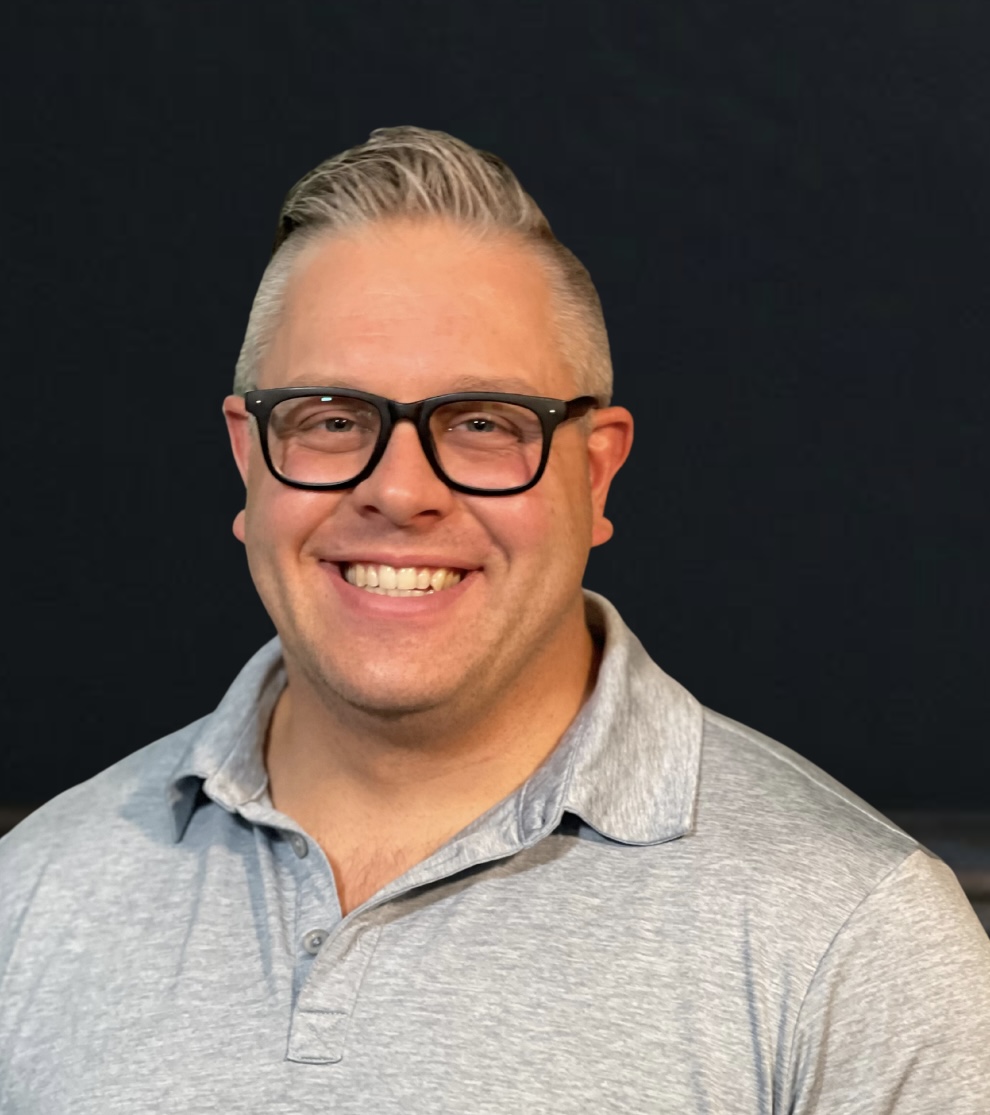
Luke J. Anderson
The right words do not merely describe reality. They give you a way to interact with it. Align & Conquer
The pattern I kept seeing

People often know more than they can explain.

They know something is off. Something matters. Something keeps coming back. Or the visible problem does not fully explain the weight it carries.

Without language, they can only react to the pressure. They cannot yet interact honestly with the reality underneath it.

When the right words arrive, people often do not feel as though they learned something entirely new. They feel recognized.

Yes. That is it.

Naming the situation does not solve it by itself. But it creates a handle. Once we can name what is happening, we can examine it, understand what it affects, and decide what to do next.

People do not always lack truth.
Sometimes they lack words for the truth they already sense.
How I got here

I did not arrive at this work through a straight line.

My perspective was shaped by building, leading, advising, losing capacity, and repeatedly having to separate what sounded good from what reality could actually carry.

01

I learned by building something real.

I helped build a home-care company from the ground up. In its first year, the business generated approximately $550,000–$600,000 in revenue, grew to more than 50 caregivers and two office staff, and reached break-even by year end.

After I stepped away because of my health, the company went on to reach a seven-figure run rate. That experience taught me that strategy has to survive payroll, people, delivery, responsibility, and the parts of business no clean framework can carry for you.

Business ownership · Team leadership · Operations · Growth · Responsibility
02

I learned by sitting inside thousands of real situations.

Over time, I worked directly with more than 1,100 people and served more than 3,000 entrepreneurs and professionals through private work, groups, programs, and organizations.

Depending on the room, people called the work coaching, consulting, mentorship, facilitation, mediation, implementation, client success—or sometimes just coffee.

The title changed. The work did not: listen carefully, find the issue underneath the issue, give it useful language, and help move what matters.

Advisory · Consulting · Facilitation · Client success · Implementation
03

I learned by rebuilding when effort could not override reality.

I am a traumatic brain injury survivor. Relapses, pain, limited capacity, business transitions, betrayal, financial pressure, and long seasons of rebuilding changed how I listen and how I advise.

They stripped away my need to sound impressive. They made me more interested in what is true, what is sustainable, what the situation is actually costing, and what can be carried responsibly.

Recovery · Constraint · Stewardship · Rebuilding · Honest limits
04

The same pattern remained through all of it.

I kept finding myself in conversations where someone had built something meaningful, carried real responsibility, or held an idea that mattered—but could not fully see what was keeping the next outcome out of reach.

My role was rarely to hand them an answer from the outside. It was to help them see the situation more accurately, recognize the Linchpin, and build the response around what was already true.

Recognition · Language · Linchpins · Decisions · Movement
How I think

I do not begin with an answer.

I begin by listening for what is being said, what is not being said, and what may be connecting realities that have been treated separately.

01

The visible issue is rarely the whole issue.

The symptom matters, but it may not be the point exerting the greatest influence. Before adding effort, we need to know what the effort should actually address.

02

Truth comes before technique.

A strong framework applied to the wrong diagnosis still produces the wrong response. Reality gets the first vote.

03

Context changes what good advice looks like.

The same decision can be wise in one situation and irresponsible in another. Good counsel has to account for the person, the system, the timing, and what is at stake.

04

Care and honesty belong together.

Real care does not avoid difficult truth. It tells the truth in a way that respects the person and gives them something useful to do with it.

What this looks like in practice

The work changes with the situation. The aim does not.

Sometimes the Linchpin is operational and measurable. Sometimes it sits inside a decision, a structure, a relationship, an opportunity, or work that has remained unfinished for too long.

K.N.

Operational and retention leakage

The work helped reveal where the business was losing money, time, and founder capacity.

  • More than $200,000 per quarter in reduced churn, refunds, and chargebacks
  • A backend profit center projected above $90,000 per month
  • More than 60 team hours and 13 founder hours recovered each week

I.H.

Aviation growth and acquisition

The work connected operating economics, maintenance, acquisition structure, and long-term opportunity.

  • Approximately $250,000 in reduced annual expenses
  • Additional six-figure revenue opportunities
  • A maintenance profit arm averaging roughly $50,000 per month in gross profit within three months
  • A creatively structured flight-school acquisition
C.C.

Business, property, and long-term direction

The work helped connect the operating business to a larger property and legacy vision.

  • A cleaning company systematized to operate remotely
  • Net profit tripled
  • A stronger financial path toward a seven-figure property purchase
  • A more stable base for future ventures
J.P.

Connected personal and organizational pressure

The work identified Linchpins across a larger system rather than treating each symptom separately.

  • More than $34,000 per month in connected costs identified
  • The organizational budget reduced approximately in half
  • Improved financial stability, priorities, and execution
  • Greater order across the wider situation

Results depend on the situation, decisions, market conditions, and implementation. The point is not that every engagement produces the same result. The point is that clearer diagnosis changes what people do next.

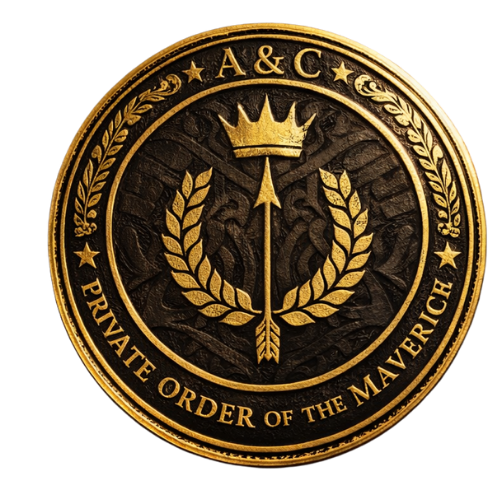
Align and Conquer coin
“You see clearly, cut through the noise, and help people move forward with a huge heart.”
Patrick W.
Luke Anderson with his family in Montana
The person behind the work

I care about what success is supposed to serve.

I am a husband, father of four, founder, advisor, and traumatic brain injury survivor living in Montana.

I know what it is to carry responsibility while capacity is limited. I know what it is to build something meaningful, lose access to parts of the life you expected, and have to decide what is still yours to carry.

My faith shapes how I understand stewardship, responsibility, truth, and freedom. It does not replace practical judgment. It is part of why I believe we should face reality honestly and build in a way that serves what matters.

People are not machines, and businesses do not exist in isolation from the lives carrying them. I take both the work and its consequences seriously.

What I do now

Align & Conquer is where this way of seeing becomes practical.

I help founders, leaders, and organizations identify the Linchpin keeping an important outcome out of reach, make its cost visible, and build the response around what is actually true.

Sometimes that work begins and ends with one focused Review.

Sometimes the situation requires implementation support, a longer advisory relationship, or work across a team or organization.

The engagement changes with the scope. The standard remains the same: clear thinking, honest counsel, and practical next steps.

Where to begin

You do not need perfect language before we begin.

You need enough honesty to look at what is happening—and enough willingness to follow the truth where it leads.